

You’ve had that idea sitting in your notes for weeks.
“Maybe I should host a workshop…”
“People might actually pay for this…”
“I just need space.”
But somehow, it keeps ending there.
That was exactly where I found herself.
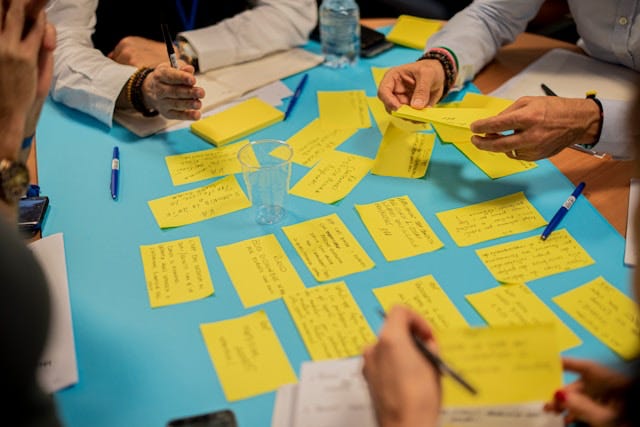
I had the knowledge, the audience (even if small), and the confidence on good days. What I didn’t have was a venue. My house was too small, and also not “aesthetically pleasing.” A café felt too noisy. And hotels? Too expensive for a “first try abeg.”
That’s when I discovered workshop space rental, and everything changed.
I came across Fiilar, and honestly, it made the whole process so easy. Instead of stressing or going back and forth with different venues, I could browse available spaces, compare options, and book something that actually fit my needs, all in one place. No long process atall, no unnecessary back-and-forth.
It didn’t feel like I was forcing something anymore. I just picked a space that matched my vision, booked it, and moved on to planning the actual workshop. So here’s exactly how I went from idea to execution:
Step 1: Get Clear on Your Workshop Idea
Before you even look for a space, define what you’re hosting. Ask yourself:
● What exactly am I teaching or sharing?
● Who is this for?
● How many people am I expecting?
I almost made the mistake of booking a space for 30 people when only 12 had shown real interest. Please, don’t be like me. Don’t guess, estimate realistically. Your workshop space should fit your idea, not the other way around.
Step 2: Choose the Right Workshop Space Rental
Not all spaces are created equal, and the wrong one can ruin the experience. When looking for a workshop space rental, pay attention to:
● Location (Is it easy to find? Safe? Accessible?)
● Seating arrangement (Classroom? Round table? Open setup?)
● Amenities (Power supply, Wi-Fi, AC, projector, restrooms)
● Ambience (Does it match your brand or vibe?)
I chose a clean, minimal space in a central location. It wasn’t flashy, but it felt intentional, and that mattered.
Platforms like Fiilar make this easier by giving you flexible, ready-to-use spaces without long-term commitments.
Step 3: Plan Your Flow Like an Experience, Not Just a Class
People don’t just come for information, they come for an experience. Think beyond “talking and going home.”
Structure it like this:
● Welcome + icebreaker
● Main session (your core teaching)
● Interactive segment (Q&A, group activity)
● Short break (snacks, networking)
● Wrap-up + feedback
I added a simple networking session at the end. Funny enough, that became everyone’s favorite part.
Step 4: Promote with Clarity and Confidence
You don’t need a huge audience, you need the right people. Focus on:
● Clear messaging (What will they gain?)
● Simple visuals (Flyer, short video, or carousel)
● Direct call to action (Register, DM, click link)
Avoid overcomplicating it.
I posted consistently for one week, shared behind-the-scenes prep, and spoke like a real person, not a brand. That’s what got people interested.
Step 5: Prepare for the Day Like a Pro
Your workshop space rental gives you the venue, but you create the experience. Before the day:
● Visit the space (or confirm details)
● Test equipment if needed
● Prepare materials (slides, notes, handouts)
● Arrive early
On the day:
● Welcome people warmly
● Stay flexible (things may not go 100% as planned)
● Focus on connection, not perfection
I even forgot one minor detail, but no one noticed because the energy in the room was right.
Step 6: Don’t Let It End There
Your first workshop is just the beginning. After the event:
● Ask for feedback
● Share highlights online
● Follow up with attendees
● Start thinking about your next session
That one workshop can turn into a series, a brand, or even a business.